Montessori Toys
Hand-picked wooden materials, chosen by Australian families who care about how children learn. Each piece isolates a single skill so the child can practise it without being shown, corrected, or hurried. No flashing lights, no music chips, no batteries — just thoughtful objects with a job to do.
Read the full Collection Guide
First grasps (0–12 months)
Simple objects that reward the very first reach, hold, and release — nothing more, nothing less.
Try:Object permanence boxes • Soft grasping toys • Wooden rattles
Practical hands (1–3 years)
Sorting, stacking, threading — small tasks that build coordination and the quiet satisfaction of finishing something.
Try:Shape sorters • Stacking cups • Threading boards
Curious learners (3–5 years)
Real materials for letters, numbers and geography. Maps, rods, sandpaper letters — the world made touchable.
Try:Number rods • Sandpaper letters • Geography puzzles
The Montessori difference
Self-correcting design means the child sees their own mistake. No adult voice required.
Try:Knobbed cylinders • Pink tower • Brown stair
What to look for
Three signals that tell you a material is doing its job, not just looking the part.
One concept per toy
A shape sorter teaches shape. Not shape plus colour plus counting.
Natural materials
Wood, cotton, metal — warmer in the hand and kinder on the eye.
Self-correcting
The toy shows the mistake, so the child can fix it themselves.
-
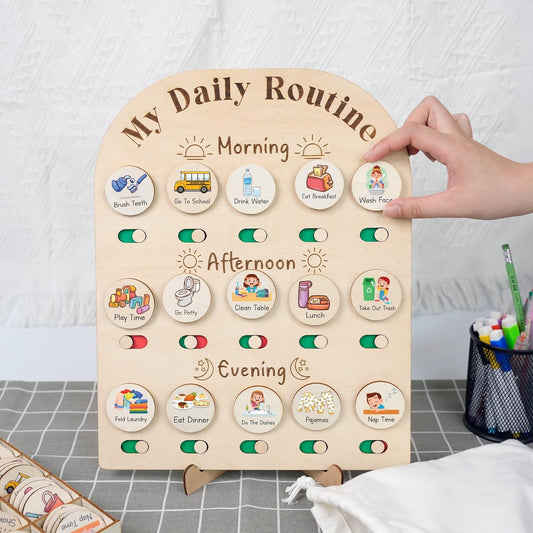
Wooden Daily Routine Chart for Kids
Regular price $58.95 AUDRegular price -
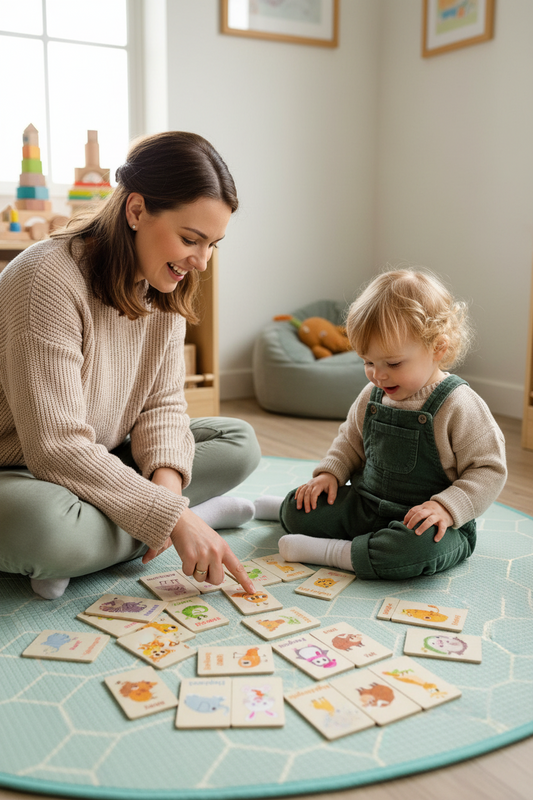
Montessori Animal Learning Set
Regular price $70.95 AUDRegular price -
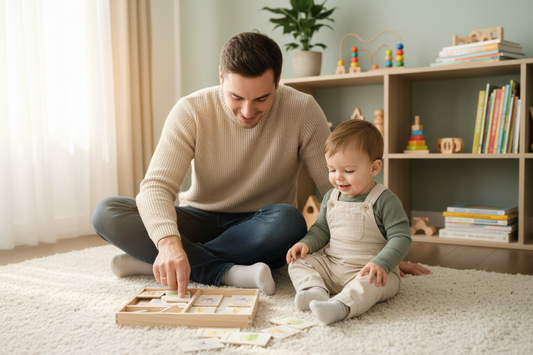
Montessori Tray for Language Cards
Regular price $26.95 AUDRegular price -
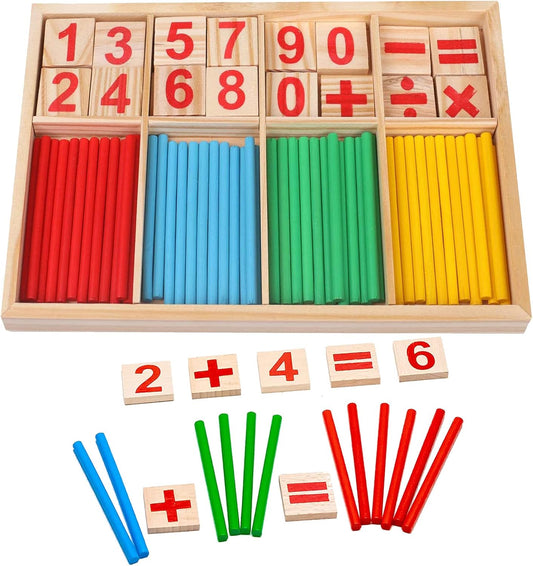
Wooden Maths Counting Toy | My Little Wallaby
Regular price $31.95 AUDRegular price$32.12 AUDSale price $31.95 AUDSale -
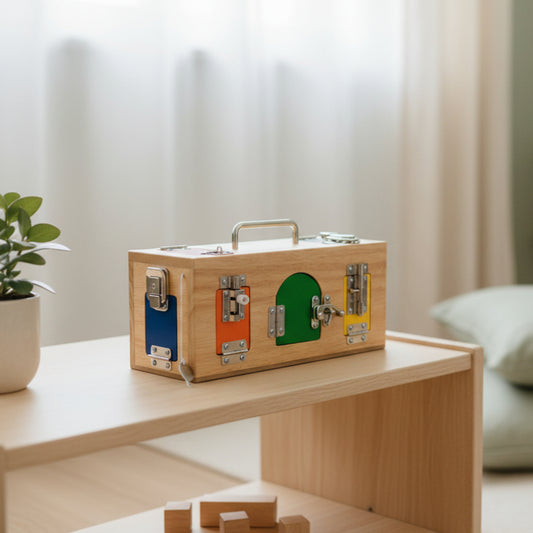
Original Mamagenius Lock Activity Box | My Little Wallaby
Regular price $99.95 AUDRegular price$149.99 AUDSale price $99.95 AUDSale





Explore related collections
Read the JournalLoved by Australian families


Explore the My Little Wallaby Journal
Read Our Journal
View all-

When Your Child Turns Off Something Boring: Why...
When a child turns off something boring, it may be more than a screen-time moment. It can be an early sign of judgement, self-regulation and media literacy — and a...
When Your Child Turns Off Something Boring: Why...
When a child turns off something boring, it may be more than a screen-time moment. It can be an early sign of judgement, self-regulation and media literacy — and a...
-

We're Not a Screen-Free Family — And Maybe That...
A Brisbane parent reflection on screens, reading, guilt, and what an imperfect, real-life family rhythm actually looks like.
We're Not a Screen-Free Family — And Maybe That...
A Brisbane parent reflection on screens, reading, guilt, and what an imperfect, real-life family rhythm actually looks like.
-

Bluey vs. Brainrot: Teaching Kids to Know the D...
Screen-time rules eventually have to become screen-time judgment. Here's how to help a child develop the taste to tell the difference.
Bluey vs. Brainrot: Teaching Kids to Know the D...
Screen-time rules eventually have to become screen-time judgment. Here's how to help a child develop the taste to tell the difference.


